
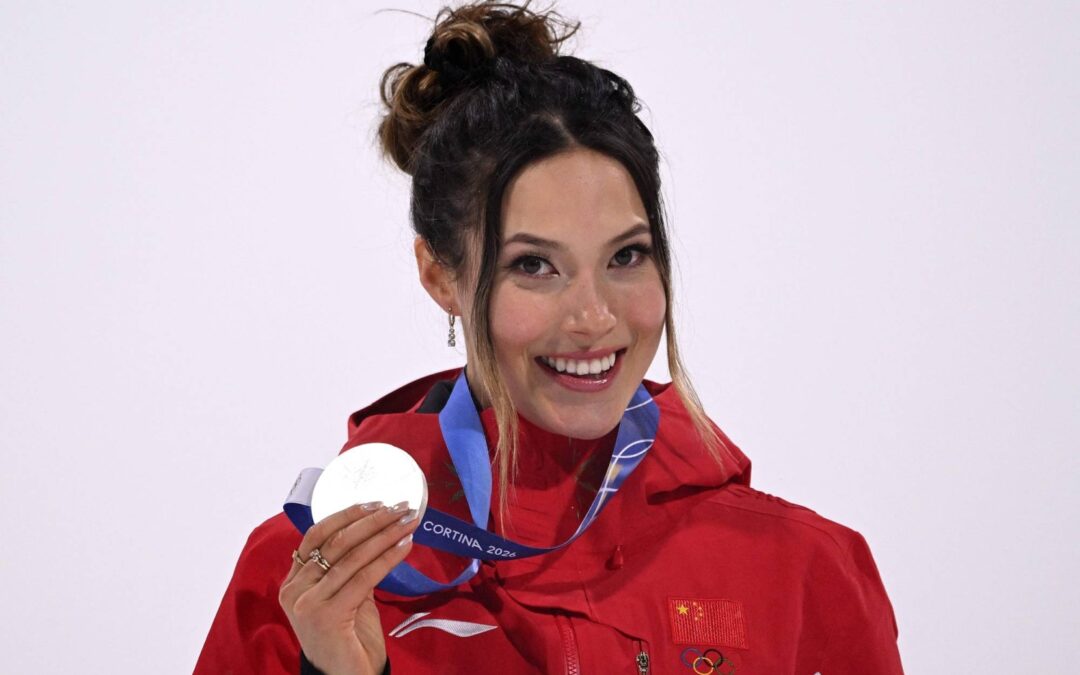
What does it feel like to achieve something extraordinary — and still feel disappointed? That’s one Olympic silver medal mindset I saw unfold the other day.
The USA vs Canada women’s hockey gold medal game may be one of the most anticipated matchups of the Olympic hockey schedule. I hadn’t followed much Olympic coverage this year. Life has been hectic, and sports viewing has mostly taken a back seat.
But when the United States and Canada meet for gold, you watch. Or in my case, you listen while working and pretend productivity isn’t competing with hockey.
The game delivered exactly what fans expected: elite execution, relentless pressure, and two teams refusing to give an inch. Canada led 1–0 through most of the second and third periods in a defensive battle that contrasted sharply with several higher-scoring U.S. games earlier in the tournament. Then, with just over two minutes left in regulation, the Americans tied the game and eventually won 2–1 in overtime.
It was the kind of championship you hope for — the two best teams pushing each other to the absolute limit.
Honestly, I’d rather win or lose against Canada than cruise past an easier opponent. Rivalries elevate performance. As a Red Sox fan, I’ve always felt October baseball means more when it comes against the Yankees.
But the moment with the most impact for me didn’t happen during overtime. It happened moments later during the medal ceremony.
The Olympic Silver Medal Mindset on Display
Hockey has one of the best traditions in sports: the handshake line. After intense competition, players acknowledge one another with respect. It’s a ritual that reminds us competition and dignity can coexist.
Then came the medal ceremony.
As Team Canada received their silver medals, I noticed something striking. Almost no one smiled. Heads were down. Faces reflected heartbreak rather than accomplishment.
And to be clear — that reaction is completely human.
These athletes trained for years with one goal: gold. Losing to a rival in the Olympic gold medal game hurts. Representing your country carries emotional weight most of us will never experience. Especially for hockey players from Canada.
But watching that moment raised an uncomfortable question:
How often do we treat meaningful achievement like failure simply because it wasn’t perfect or it didn’t meet our expectation?
An Olympic silver medal means you are the second-best team on Earth. That should be a moment of pride. Yet emotionally, silver can feel like loss instead of success.
Perspective doesn’t erase emotion — but it reframes it. And that’s where another Olympic story offered a powerful contrast.
Elaine Gu Silver Medals and a Different Perspective
Freestyle skier Eileen Gu faced a similar moment after earning 2 silver medals in her events this Olympics. A reporter asked whether she viewed them as “two golds lost.”
After a nice laugh, her response was calm, confident, and revealing.
“I’m the most decorated…female free skier in history. I think that’s an answer in and of itself.”
She went on to say, “Winning a medal at the Olympics is a life changing experience for every athlete. Doing it five times is exponentially harder, because every medal is equally hard for me, but everyone else’s expectations rise.”
Gu emphasized that silver medals represent world-class performance, not failure. During these Games, she added two silver medals to an Olympic career that already includes multiple medals across freestyle skiing events, including winning two gold and one silver Olympic medals in Beijing in 2022.
Instead of framing silver as disappointment, she framed it as achievement. She also said the reporter’s perspective was “ridiculous.”
That difference highlights two versions of the Olympic silver medal mindset.
Both Team Canada and Gu finished second. Both experienced the same competitive outcome.
But one visible response centered on loss.
The other embraced gratitude alongside ambition.
I’m not knocking on Team Canada. Emotion belongs in sport and I have a lot of respect for their team. But the comparison creates a powerful lesson for the rest of us.
Ambition Without Losing Gratitude
I talk about gratitude a lot on my blog and on my podcast. But gratitude does not mean settling for second best.
Elite athletes do not train for second place and successful professionals do not pursue average outcomes. Goals matter because they stretch us.
But gratitude determines whether achievement fuels growth or breeds discouragement.
A scarcity mindset says: If it isn’t gold, it doesn’t count.
A healthier mindset says: I gave it my best and I can still want more while appreciating how far I’ve come.
Our culture struggles with this balance. We celebrate winners while quietly dismissing progress. Social media amplifies perfection and minimizes effort. And reporters ask ridiculous questions of the most decorated female free skier in history.
Yet most meaningful accomplishments in life resemble silver medals:
- You launched the business — but it isn’t where you hoped yet.
- You completed the race — but missed your goal time.
- You advanced professionally — but not into your dream role.
- You made progress — but still see unfinished work.
When expectations overshadow accomplishment, even success can feel empty. That’s the danger the Olympics reveal so clearly.
Sportsmanship in Sports — and in Life
I believe the handshake line after a hockey tournament may be the most underrated lesson of elite competition. It reminds us that identity isn’t determined solely by outcome.
True sportsmanship in sports recognizes effort, respect, and shared pursuit of excellence.
Life rarely gives us clear podium moments. Instead, we live in seasons where joy and disappointment exist simultaneously. The challenge isn’t eliminating emotion or hiding it. It’s learning to hold ambition and gratitude at the same time.
We can mourn the goal we missed while celebrating the progress we made.
We can pursue excellence without dismissing achievement.
We can stand on our own metaphorical podiums and recognize that being there at all matters.
Sometimes the most important victory isn’t winning gold. It’s developing an Olympic silver medal mindset — the ability to honor both the dream still ahead and the accomplishment already earned.