
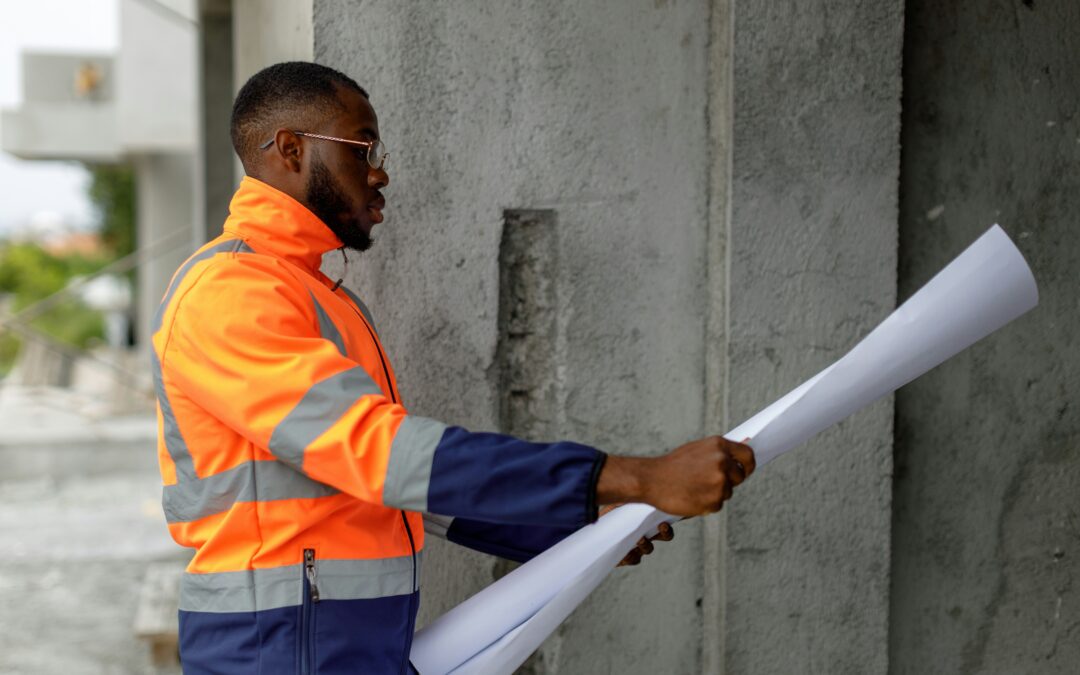
Are you an architect or a builder?
If you’ve ever built a house or some other building, you know there’s a big difference between these equally important roles. Without the other, neither would be able to build a house on their own.
The Google dictionary defines an architect as “a person qualified to design buildings and to plan and supervise their construction.”
The architect is the one who designs the house to meet the owner’s needs and wishes. They may not be on the job site every day, but their plans are. In fact, the builder relies on those blueprints to build the house correctly.
A builder, on the other hand, is defined as, “a person who constructs something by putting parts or material together.”
The builder is out on the job site every day. They are the ones swinging the hammer, raising the beams, and putting up shingles. Builders transform the architect’s design from a drawing on paper to a physical building.
As you can imagine, most builders have a lot of experience and if push came to shove, they could probably construct a decent house without a blueprint. But it might not be thoughtfully designed. Important things may be overlooked, causing costly delays as they must redo some parts to fix things they missed.
Similarly, architects understand how to create a detailed plan for builders to follow, but they might not have the technical skills necessary to bring the vision to reality themselves. While they might be able to operate a saw, their lack of experience will be obvious, and probably costly, if they tried to construct a house.
So let me revise the question I asked at the beginning. When it comes to your goals, are you an architect or a builder?
Most of us default to the builder role. We set a goal and rush out swinging the proverbial hammer to construct our dreams. But too often we forget to invest time and energy in designing the right plan to follow.
Or we get so caught up in dreaming, designing, and planning that we never start building. Our goals are perfectly thought out, but they’re still just words on paper. We can’t bring them to fruition and so they never materialize
Both roles—architect and builder—are important at different stages in the process. Both would struggle without the other.
As you look at your goals, what is your default role? Do you find yourself doing more designing than constructing? Or do you start building without a clear vision and strategy?
If you’re looking for ways to help you balance both roles of architect and builder, I can help. I offer tools like my Sunday Strategy worksheet to help you plan your week better. You can get the worksheet and guide when you sign up for my weekly mailing list.
I also offer the Wholistic Productivity Planner, a quarterly planner that offers the Goal Roadmap to help you design a plan for your short-term goals. It also includes the Sunday Strategy to keep you on course each week.
Not sure which solution to use or looking for more advice? Book a free strategy call to discuss your situation and look at next steps.
Don’t cut your dreams short by only focusing on one part of the process. You can be both architect and builder, designer and constructer. You deserve both.